
Selection of Yarn and Accessories
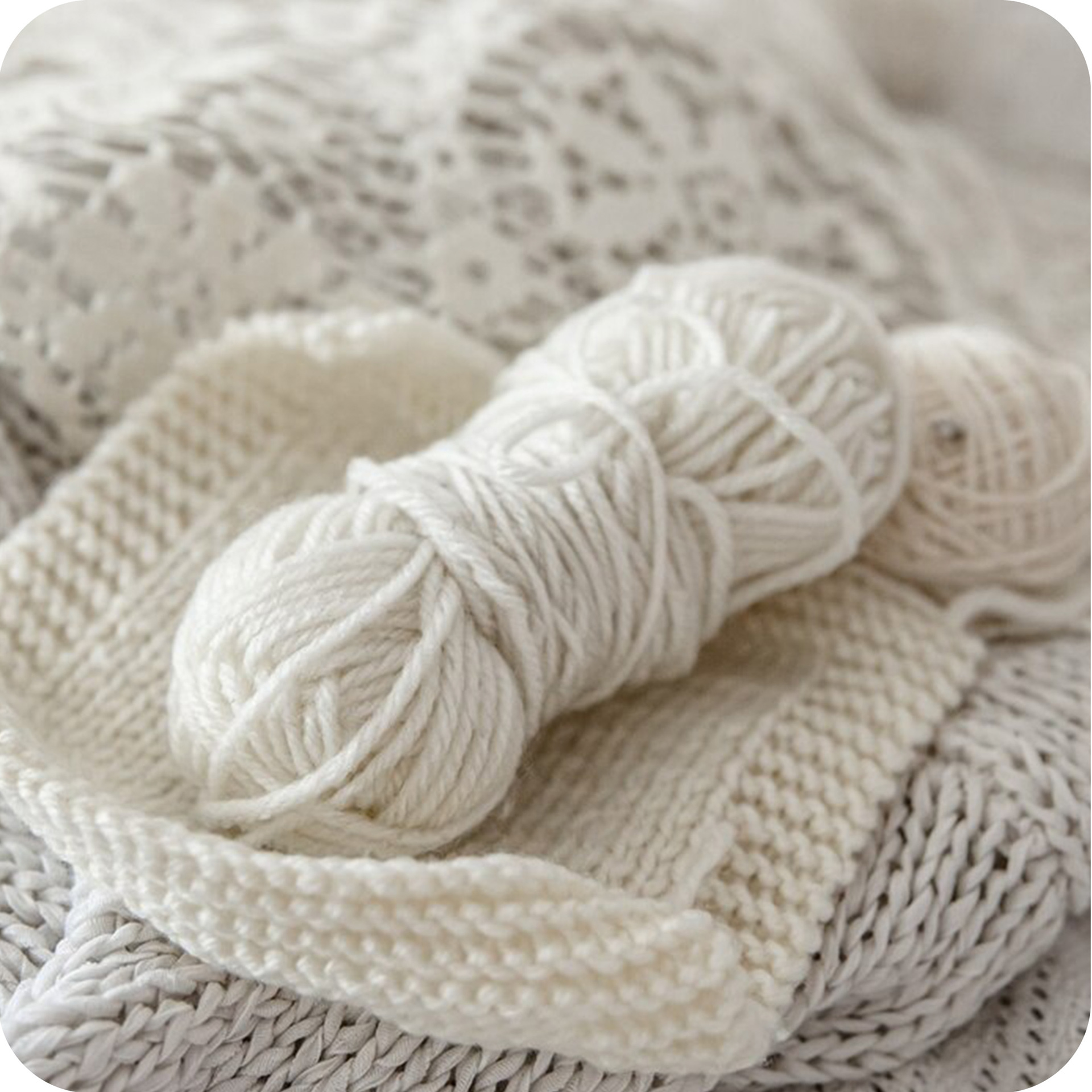
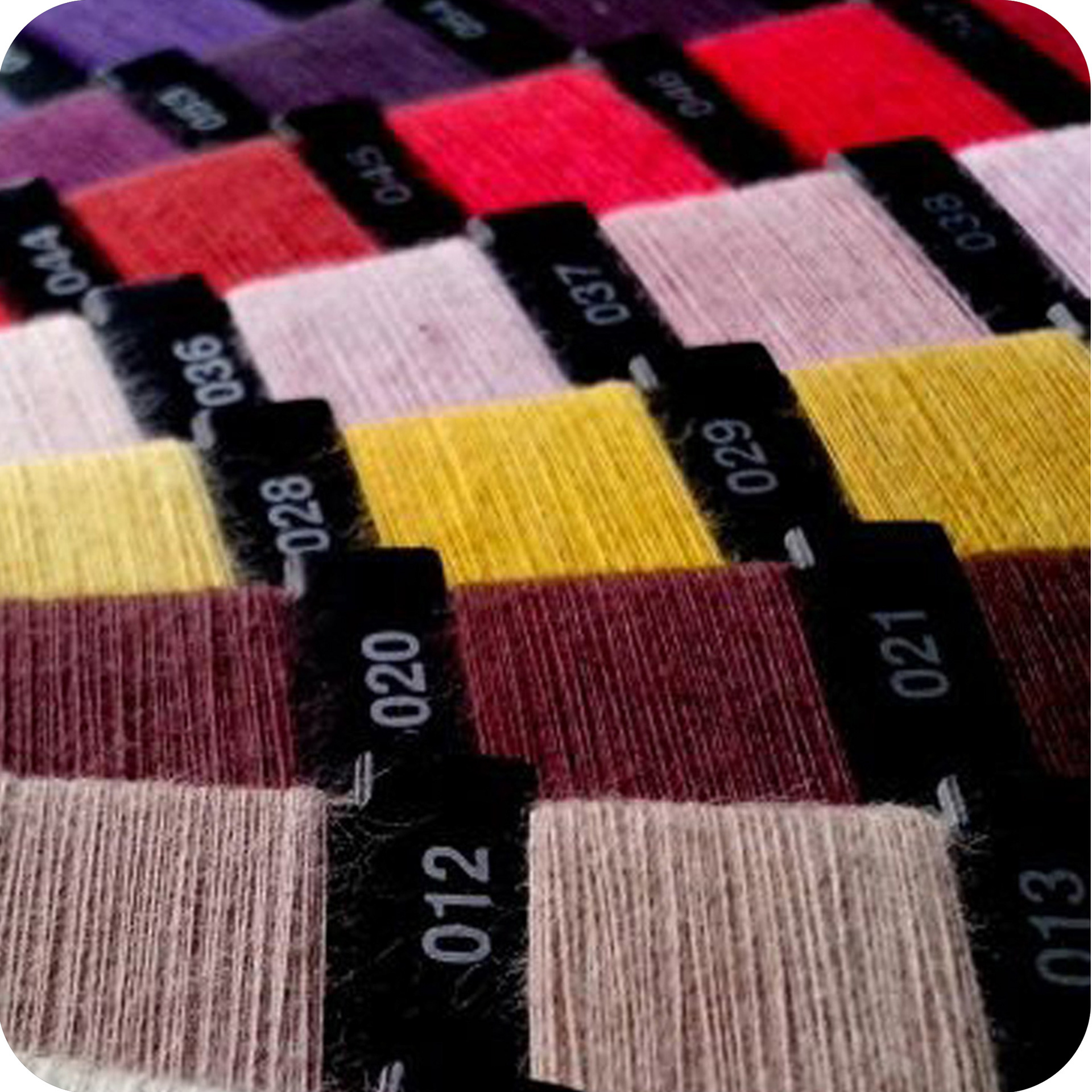
The choice of yarn is a major determinant of the quality of the finished product. Recognizing this, we adopt with the latest yarn technologies and trends by working closely with yarn suppliers.
Our excellent relationship with yarn suppliers around the world enables us to maintain diversified, stable and reliable sources of quality yarn at competitive pricing.
Our aim is to provide customers with a choice of quality and value in the yarns, giving our clients the maximum flexibility in offering their consumers the right products that meet their specific needs.
Samples Making
We have strong back-up of sample making facilities in house, providing efficient and effective turnaround of quality samples for our customers.
Product Development
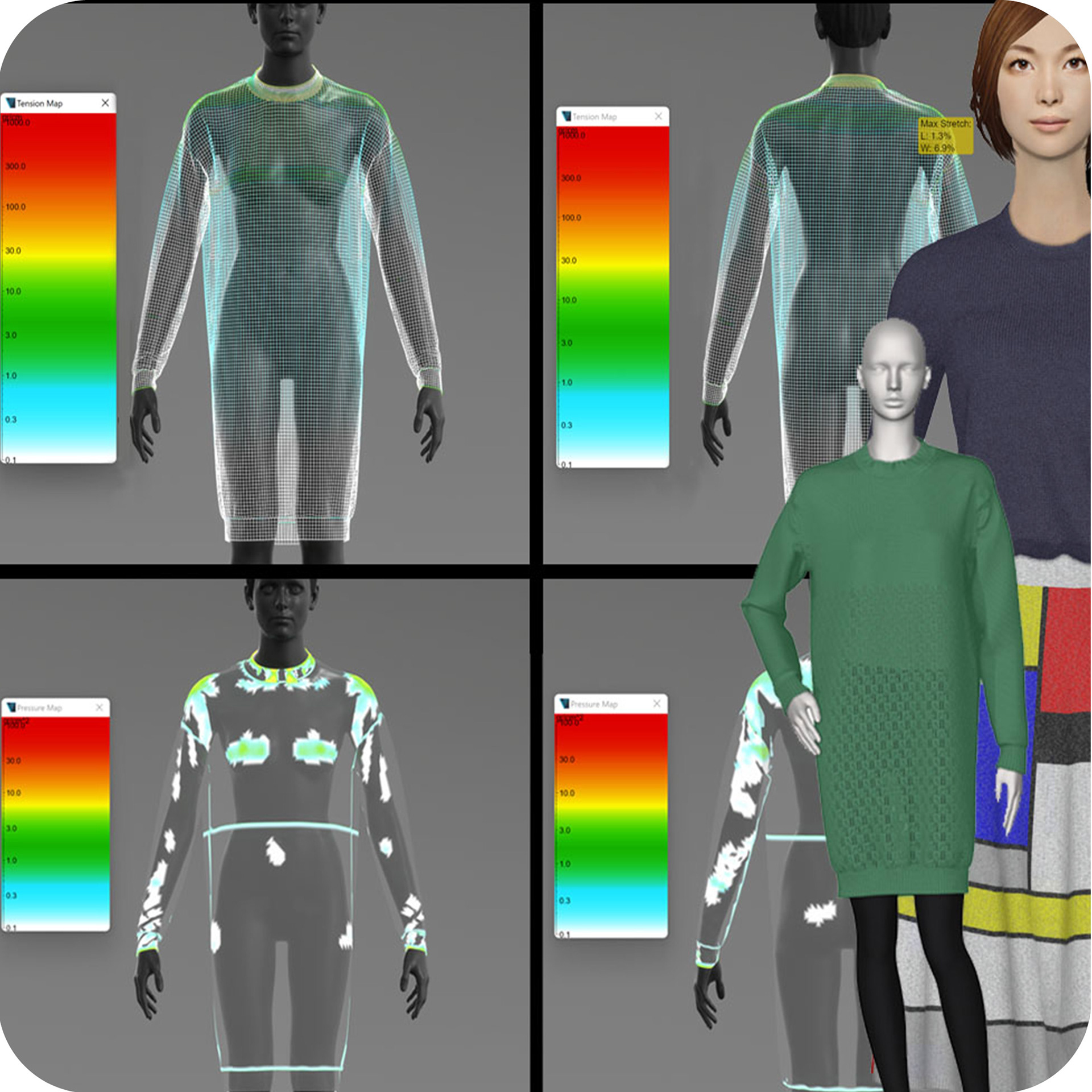
Our Product Development works closely with our Sales teams to marry innovation and design. We help identify and even set the latest trends through participation in knit and yarn shows throughout the year.
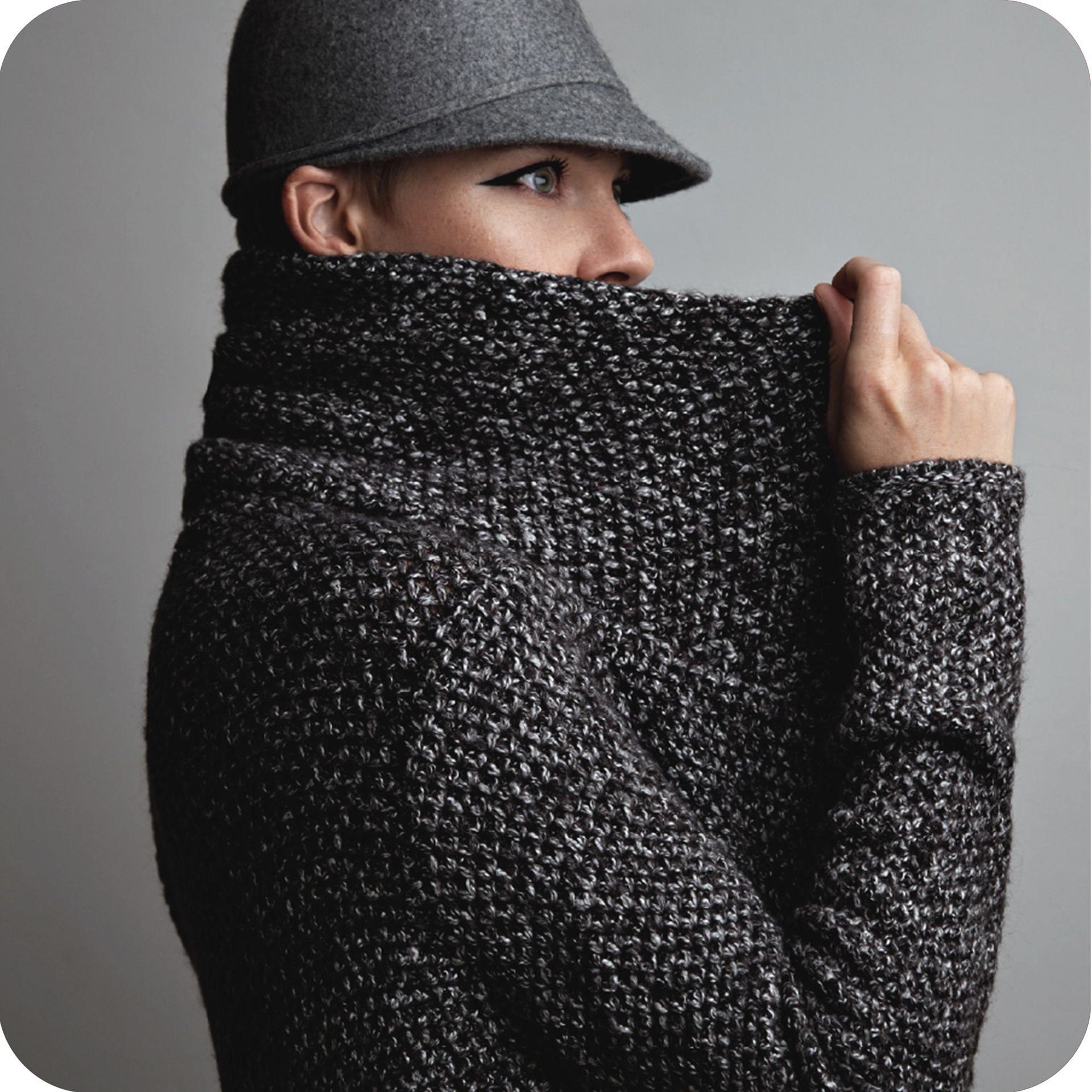
We are specialize in mixing different yarns, e.g. Mohair, Alpaca to create various color effect and texture. In addition, we are also strong in making fully fashioning boil wool sweaters. as well as woven and knit hybird garment.
Monitoring Production Progress
Our merchandising and quality control teams work closely with our factories to monitor production progress and identify potential issues at an early stage to ensure prompt solution.
Quality Control
Zero defect is our goal. Our independent quality control department ensures that stringent quality standards are met by conducing 100% inspection.
Export of Goods
Our merchandisers and shipping teams work closely with our factories to coordinate and arrange for the smooth delivery and export of goods, including export licensing, freight forwarding and other logistical support as required.
Sustainability
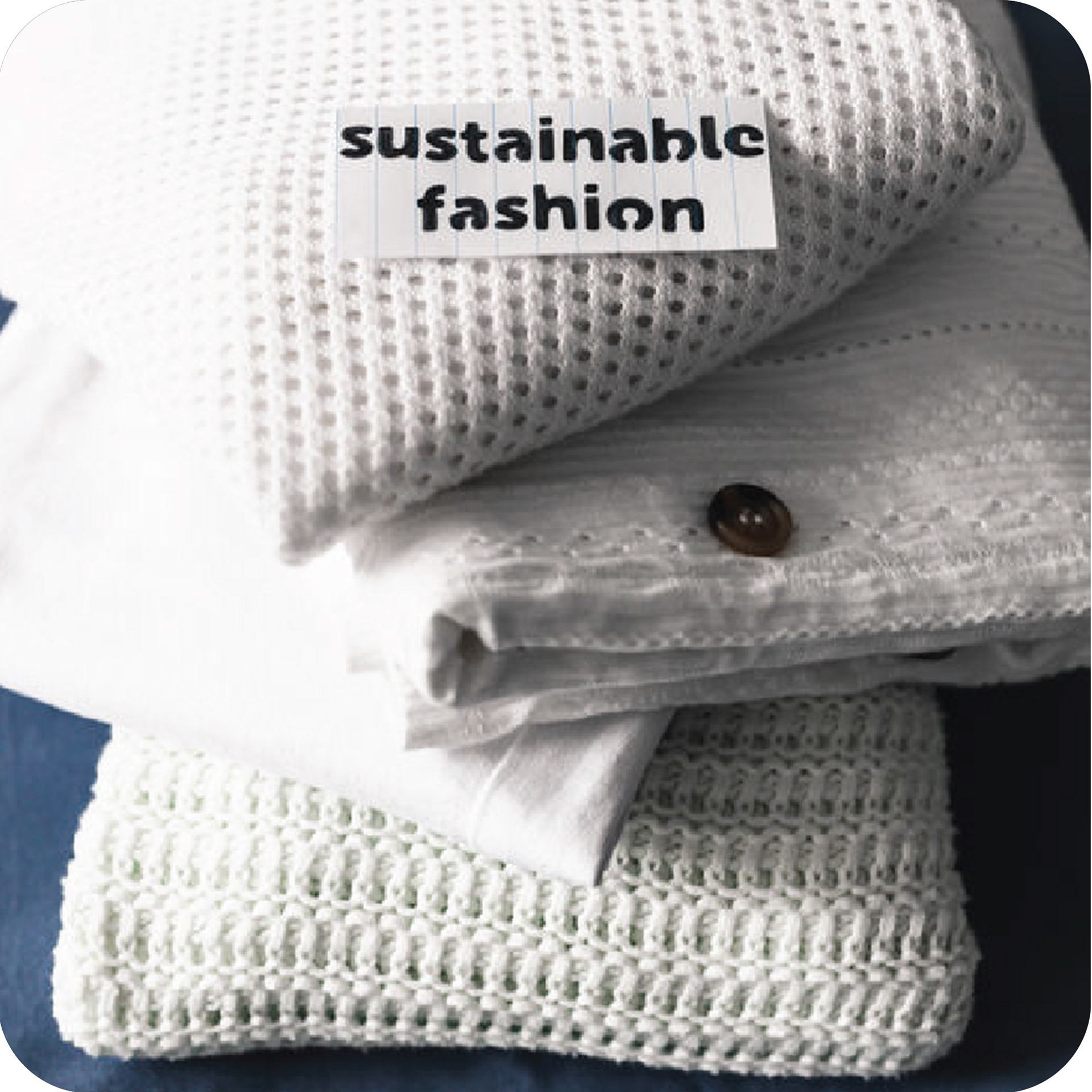
More sustainable fashion can be defined as clothing, shoes and accessories that are manufactured, marketed and used in the most sustainable manner possible, taking into account both environmental and socio-economic aspects. In practice, this implies continuous work to improve all stages of the product’s life cycle. From an environmental perspective, the aim should be to minimize any undesirable environmental effect of the product’s life cycle by:
(a) ensuring efficient and careful use of natural resources (water, energy, land, soil, animals, plants, biodiversity, ecosystems, etc);
(b) selecting renewable energy sources (wind, solar, etc) at every stage, and
(c) maximizing repair, remake, reuse, and recycling of the product and its components.
From a socio-economic perspective, all stakeholders should work to improve present working conditions for workers on the field, in the factories and transportation chain by aligning with good ethics, best practice and international codes of conduct. In addition, fashion companies should contribute to encourage more sustainable consumption patterns, caring and washing practices, and overall attitudes to fashion.
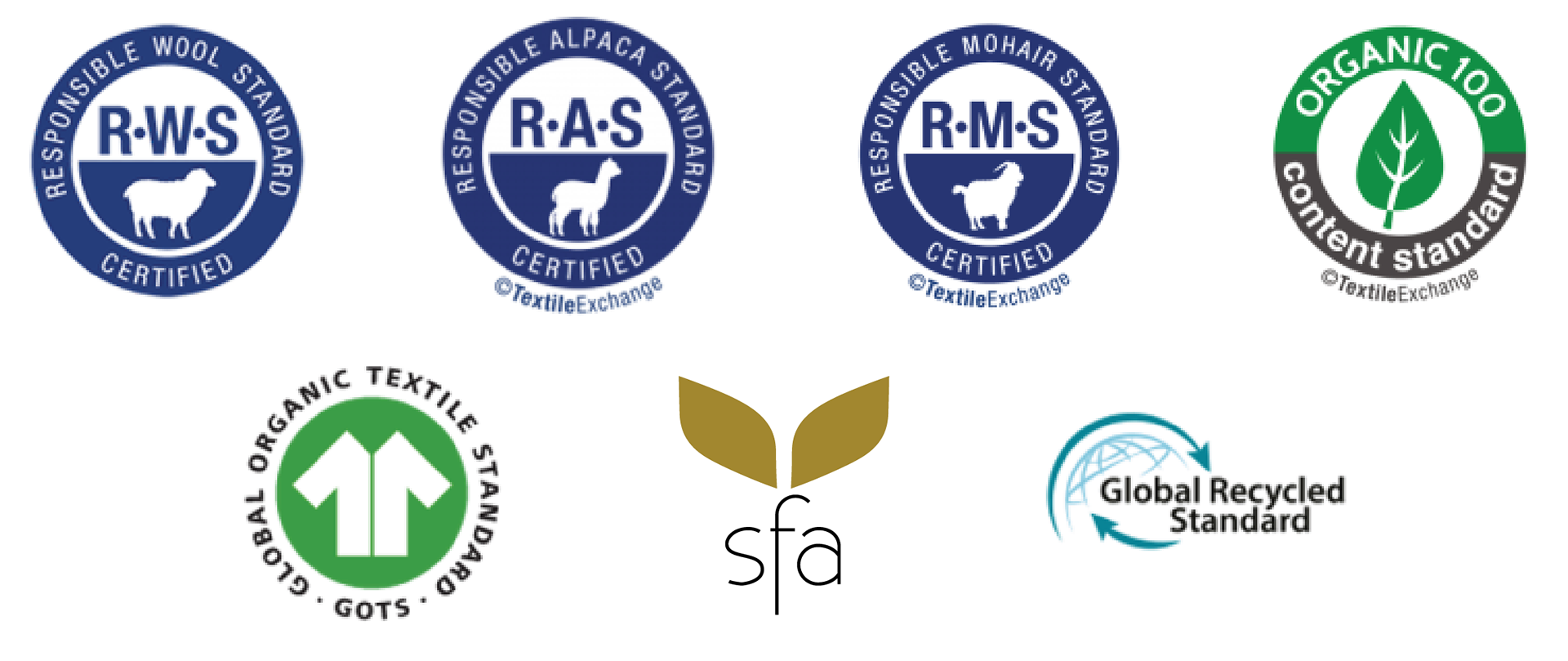
To give the fashion and textile industry a way to authenticate their sustainability claims from raw material to final product, we’ve developed a set of robust standards. They fill the gaps in existing guidelines and verification tools, and we regularly adapt and upgrade them to meet the evolving needs of the industry.
Certifcates